Why US Interest Rates Remain Elevated: Key Factors Explained
Interest rates in the United States continue to stay high, leaving consumers and businesses seeking answers about the underlying causes.
Interest rates in the United States have remained stubbornly elevated, affecting everything from mortgage payments to business borrowing costs, and prompting widespread debate about when relief might arrive for American consumers and companies.
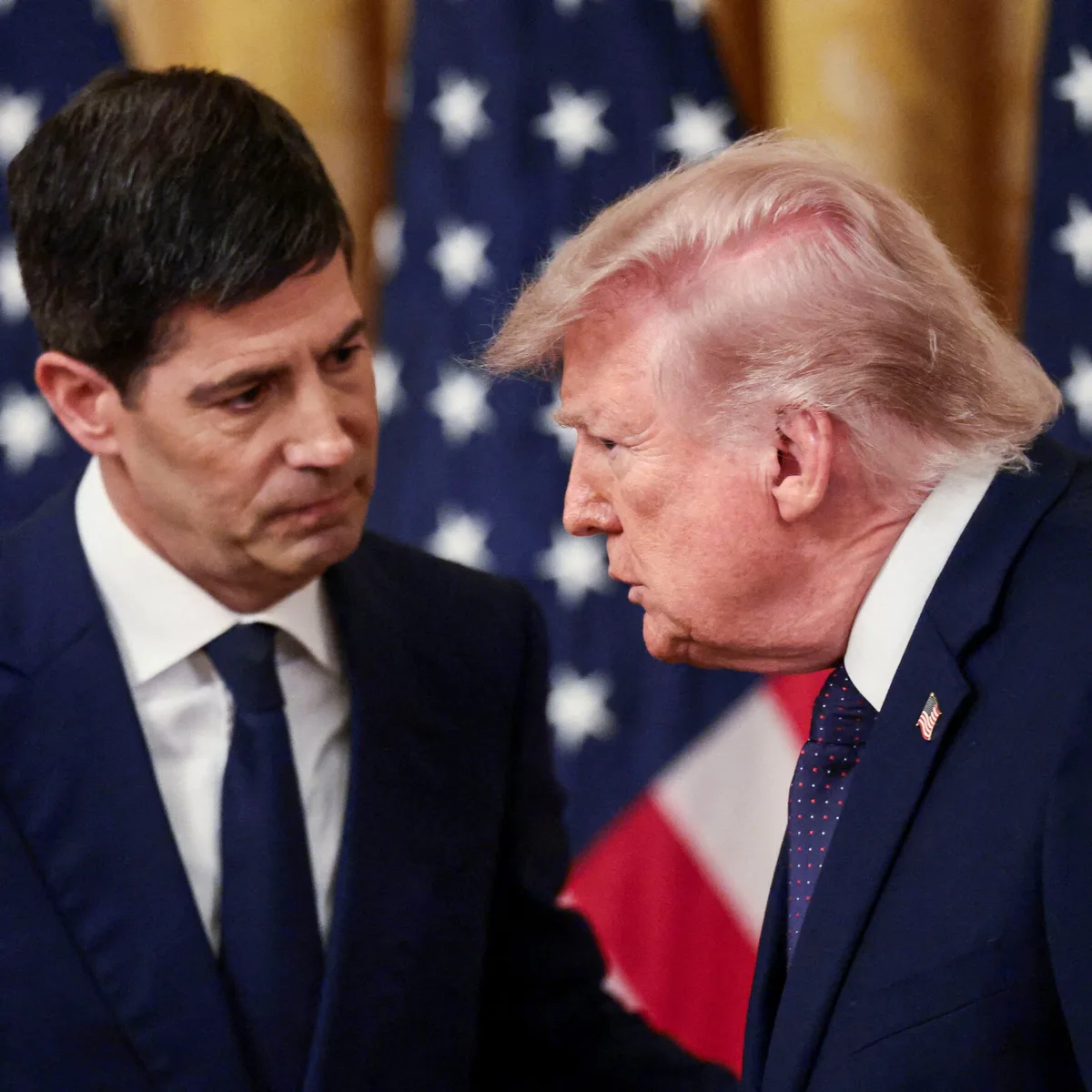
The Federal Reserve, led by Chair Kevin Warsh, holds significant influence over the interest rate environment. Warsh was present at the White House on the day of his swearing-in ceremony alongside President Donald Trump, underscoring the political visibility of monetary policy decisions at this juncture.
Read more Fed Ends Enforcement Action Against SNB Bancshares and Bank of Eufaula →
Economists and analysts have pointed to a range of structural and cyclical factors that help explain why borrowing costs have not retreated to the historically low levels seen in the years before the pandemic. These include persistent inflationary pressures, a resilient labor market, and the Fed's stated commitment to returning inflation to its 2 percent target before easing policy significantly.
For households, elevated rates translate directly into higher costs on credit cards, auto loans, and home mortgages, squeezing budgets and cooling demand in interest-sensitive sectors such as housing. Businesses face similar headwinds, with capital expenditure plans increasingly subject to the weight of higher financing costs.
The intersection of political pressure and independent monetary policy continues to draw scrutiny, as the administration and the central bank navigate differing priorities on growth and price stability. Continue reading at NYT > Business.