Wall Street's Confidence in Data Center Boom Begins to Waver
Investor skepticism is mounting over AI infrastructure spending, with some companies pulling back on major fundraising plans.
Wall Street is growing increasingly cautious about the rapid expansion of data centers fueling the artificial intelligence boom, as some companies delay plans to raise tens of billions of dollars in public markets to fund AI infrastructure build-outs, according to reporting by The New York Times.
The shift in sentiment marks a notable turn for a sector that had attracted nearly boundless investor enthusiasm in the years following the generative AI surge ignited by OpenAI's ChatGPT. Data centers, once seen as a near-guaranteed bet given surging demand from major technology companies, are now facing harder scrutiny from investors questioning valuations, timelines, and the pace of returns.
Read more Paramount Extends Debt Tender and Exchange Offers to Oct. 2 →
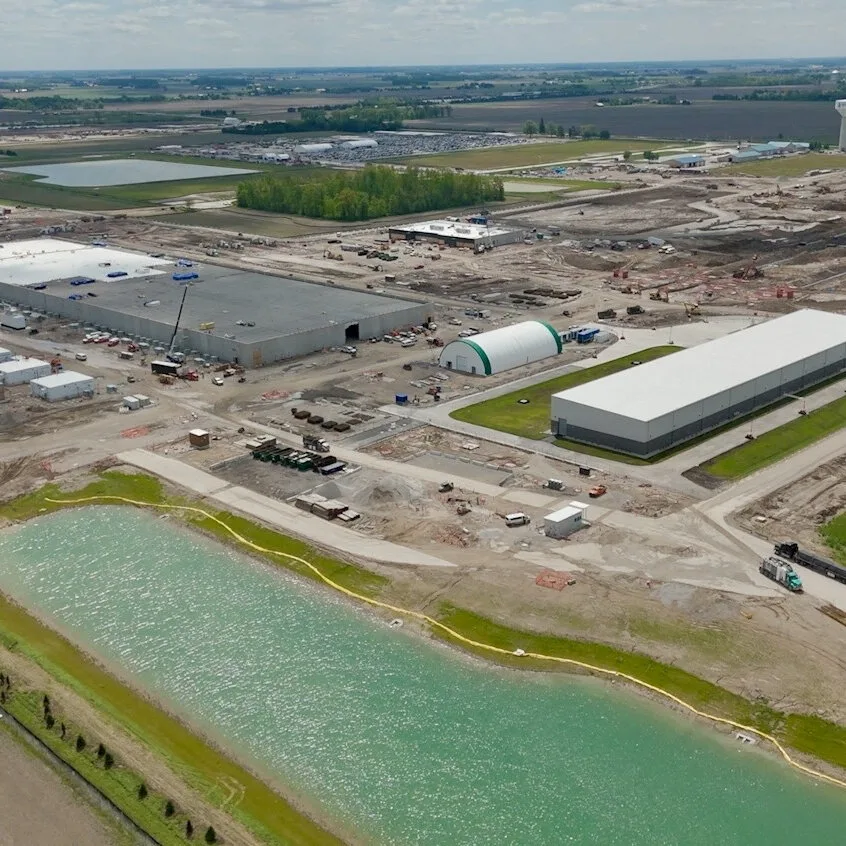
Meta's new data center in Middleton Township, Ohio, stands as one example of the massive physical infrastructure commitments technology giants have made in recent years. Such facilities require enormous capital outlays for land, construction, power infrastructure, and specialized computing hardware — costs that must eventually be justified by sustainable revenue streams tied to AI services.
The cooling investor appetite could have broad implications for the AI industry's near-term expansion. Companies that had counted on public market fundraising to accelerate construction timelines may now face slower build-out schedules or be forced to seek alternative financing on less favorable terms. Analysts have warned that a widening gap between AI infrastructure investment and demonstrable near-term monetization could pressure valuations across the sector.
The development underscores a broader recalibration on Wall Street, where early-cycle exuberance over transformative technologies often gives way to more disciplined scrutiny of fundamentals. Whether the pullback proves temporary or signals a more sustained reassessment of AI's investment case remains an open question. Continue reading at NYT > Business.