Trump Seeks Leverage Over China's Export Surge, With Limited Tools
The Trump administration is wrestling with China's industrial overproduction, a challenge that has stymied prior U.S. governments as well.
The Trump administration is confronting a longstanding and unresolved tension in U.S.-China trade relations: how to curb Beijing's flood of subsidized industrial exports without triggering economic blowback at home. The challenge has proven resistant to multiple administrations, and the current White House has yet to find a durable solution.
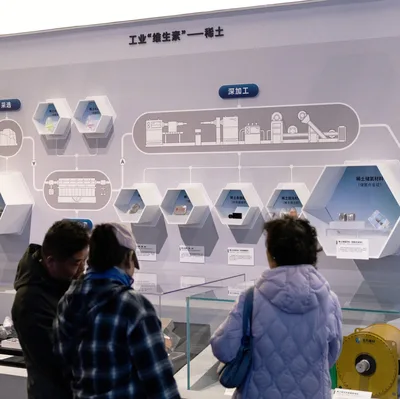
China's excess manufacturing capacity — spanning steel, solar panels, electric vehicles and other sectors — has long distorted global markets by driving down prices and undercutting foreign competitors. Washington has repeatedly sought to pressure Beijing on the issue, but leverage has been difficult to sustain given the deep economic interdependence between the two countries.
Read more How a Moscow Firm Helped Russia Evade Western Sanctions →
The Trump team, like the Obama and Biden administrations before it, is discovering that the tools available — tariffs, export controls, diplomatic pressure — carry significant trade-offs. Tariffs raise costs for American consumers and businesses that rely on Chinese inputs, while diplomatic efforts have produced limited binding commitments from Beijing.
President Xi Jinping has shown little inclination to voluntarily reduce Chinese industrial output, which serves domestic employment and geopolitical goals alongside economic ones. That asymmetry in priorities complicates any negotiated resolution and leaves U.S. policymakers searching for new forms of coercion or accommodation.
The impasse underscores a broader structural dilemma in the bilateral relationship: the United States wants to compete with China on industrial output while remaining commercially linked to it, a balance that grows harder to strike as tensions escalate. Continue reading at NYT > Business.