Rivian CEO RJ Scaringe Outlines Path to Expanding US Auto Manufacturing
Rivian's chief executive says robots, tariffs, and diplomacy are key to sustaining American car production.
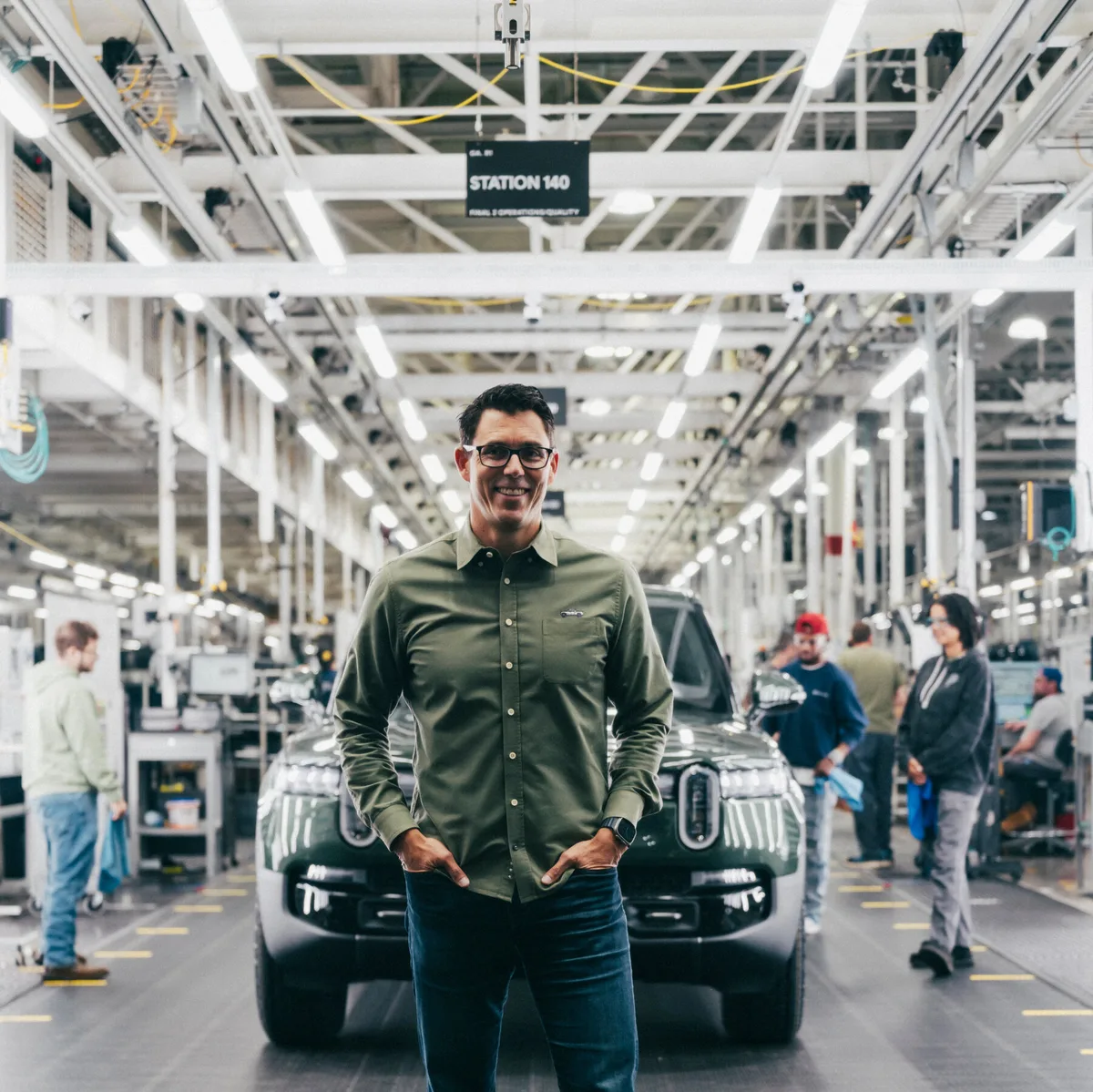
Rivian Chief Executive RJ Scaringe has put forward a multi-pronged vision for keeping automobile manufacturing viable on American soil, pointing to automation, trade policy, and international negotiations as the central pillars of any workable strategy.
Scaringe's remarks reflect a broader debate reshaping the U.S. auto industry, where domestic producers face mounting cost pressures, global competition, and supply chain vulnerabilities that have accelerated since the pandemic. His acknowledgment of robotics as a critical factor signals that future American factories may rely heavily on automated systems to offset higher labor costs relative to overseas rivals.
Read more Private Equity Bets Big on Marinas as Wealthy Buy Larger Boats →
On the policy front, the Rivian CEO's endorsement of tariffs aligns with a trend among American manufacturers seeking government levers to level the competitive playing field, particularly against lower-cost producers in Asia and Europe. At the same time, his call for diplomacy suggests that import barriers alone are insufficient — trade relationships and bilateral agreements would need to accompany any protective measures to avoid supply disruptions for components that U.S. plants still depend on from abroad.
Rivian, which produces electric trucks and SUVs at its Normal, Illinois, facility, has a direct stake in the outcome of these debates. The company has navigated significant production challenges since launching its first consumer vehicles, making the question of domestic manufacturing economics especially consequential for its long-term growth plans.
Scaringe's framework — combining technological investment, protective trade tools, and international engagement — reflects the complexity of rebuilding or retaining industrial capacity in a globally integrated economy. Continue reading at NYT > Business.